
Infertility Treatment
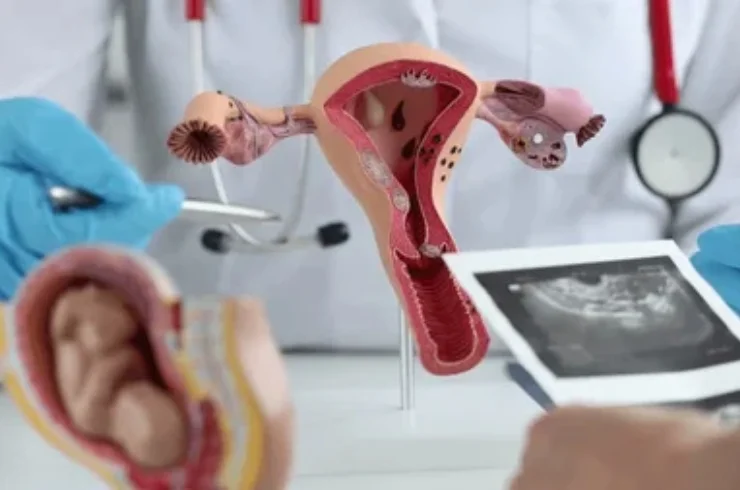
Infertility treatment refers to a range of medical interventions designed to help individuals or couples conceive when they are unable to do so naturally. Infertility can affect both men and women, and the causes may vary. Treatment approaches depend on the underlying cause of infertility and may involve medication, lifestyle changes, or assisted reproductive technologies (ART). Here are some common types of infertility treatments:
1. Fertility Medications
- For Women:
- Clomiphene Citrate (Clomid): Stimulates ovulation in women who have irregular or absent ovulation.
- Gonadotropins: Hormonal injections used to stimulate the ovaries to produce multiple eggs in women with more severe infertility issues.
- Metformin: Used for women with polycystic ovary syndrome (PCOS) to improve ovulation.
Intrauterine Insemination (IUI)
- IUI is a procedure where sperm is directly inserted into a woman’s uterus around the time of ovulation, increasing the chances of fertilization. It is often used when sperm count is low or the woman has cervical issues or unexplained infertility.
3. In Vitro Fertilization (IVF)
- IVF is one of the most well-known ART methods. It involves stimulating the ovaries to produce multiple eggs, which are then retrieved and fertilized with sperm in a laboratory. The resulting embryos are cultured and one or more healthy embryos are implanted into the uterus. IVF is commonly used for blocked fallopian tubes, severe male infertility, or unexplained infertility.
4. Intracytoplasmic Sperm Injection (ICSI)
- A form of IVF, ICSI involves injecting a single sperm directly into an egg. This technique is particularly useful for male infertility, such as low sperm count or poor sperm motility.
5. Egg/Sperm Donation
- If a woman is unable to produce eggs or a man has no viable sperm, egg or sperm donors may be used. Donor eggs or sperm are fertilized through IVF, and the resulting embryos are implanted into the recipient’s uterus.
6. Surrogacy
- In cases where a woman cannot carry a pregnancy to term, surrogacy may be considered. A surrogate carries the baby for the intended parents, either using the mother’s egg and the father’s sperm (traditional surrogacy) or through IVF (gestational surrogacy).
7. Surgical Procedures
- Surgery may be recommended for conditions such as endometriosis, fibroids, or blocked fallopian tubes that are contributing to infertility. Surgical correction can sometimes improve the chances of conception.
8. Lifestyle Changes
- Healthy lifestyle choices, including maintaining a healthy weight, eating a balanced diet, avoiding smoking and alcohol, and reducing stress, can all improve fertility. In some cases, addressing underlying conditions such as obesity, thyroid disorders, or PCOS may enhance fertility.
Emotional and Psychological Support:
- Infertility can take an emotional toll on individuals and couples, so psychological support through counseling, support groups, or therapy may be an essential part of the treatment process.
Success Rates:
- Success rates for infertility treatments vary depending on factors such as age, underlying cause of infertility, and the specific treatment used. It’s important for individuals or couples to have realistic expectations and work closely with their fertility specialist to explore the most suitable options.
In some cases, infertility remains unexplained, and despite medical intervention, conception may not occur. However, many people successfully conceive with the help of fertility treatments, and there is a wide range of options available to suit different situations.