Childbirth is a monumental event for families, marking the beginning of a new life chapter. Choosing normal delivery or a C-section is an essential decision for prospective parents. Understanding these options can be crucial in planning for a healthy delivery process. While some might have a general idea about what these involve, it’s important to delve into their specifics to make an informed choice.
Guiding soon-to-be parents through their childbirth options is our goal here. Many assume that the choice between normal delivery and C-section is cut and dry. However, several factors come into play, from personal preferences to medical advice. Ensuring a safe and satisfying birth experience often requires weighing these various elements.
Navigating through all the information can be overwhelming. This makes clear, straightforward guidance essential. By exploring both normal delivery and C-section, we aim to provide clarity, leaving parents more informed and confident in their childbirth decisions.
Demystifying Normal Delivery and C-Section
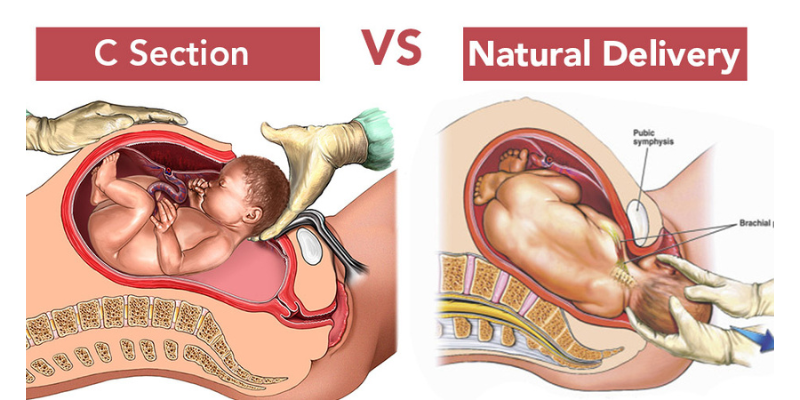
Normal delivery, also known as vaginal delivery, is the traditional method of childbirth. It involves the baby being born through the birth canal. This method is often described as natural since it doesn’t involve surgery.
On the other hand, a Cesarean section, or C-section, is a surgical method where the baby is delivered through incisions made in the mother’s abdomen and uterus. C-sections may be planned due to prior experiences or unexpected complications during delivery. For instance, if the baby faces distress or if the mother has previously had C-sections, this method becomes necessary.
Despite being major surgery, C-sections are common and sometimes the best option for mother and child’s safety. Understanding these methods—normal delivery and C-section—helps parents better prepare. Each has its advantages, limitations, and specific contexts where one is favored over the other.
Evaluating Pros and Cons of Normal Delivery
Normal delivery holds several benefits:
- Short Hospital Stay: Mothers can expect quicker hospital discharges.
- Fast Recovery: The recovery period is typically shorter compared to surgical methods.
- Immediate Baby Bonding: It allows for instantaneous mother-baby bonding and promotes breastfeeding.
From a health perspective, normal delivery benefits the baby, such as effective fluid clearance in the lungs, which enhances breathing ability. Additionally, the exposure to beneficial bacteria while passing through the birth canal strengthens the baby’s immune system.
However, challenges exist:
- Unpredictability: The timing of labor can be uncertain and varies from person to person.
- Physical Risks: There is potential for tearing or other birth-related injuries.
It’s important to assess these pros and cons holistically. The seamless transition between labor and delivery with normal delivery appeals to many. Yet, the unpredictability could deter others who prefer more control over the process.
Assessing the Benefits and Drawbacks of C-Section
C-sections, while surgically involved, offer distinct advantages:
- Predictability: Parents can schedule the operation, providing more time for mental and physical preparation.
- Addressing Complications: They become indispensable in situations like fetal distress or when the mother’s medical history suggests dangers with vaginal birth.
- Avoidance of Certain Traumas: Mothers may bypass some vaginal birth-related traumas that could lead to long-term issues.
However, drawbacks include:
- Extended Recovery: The healing time post-operation is usually longer than with normal delivery.
- Increased Risks: Like any surgery, there’s a heightened chance of infection and complications.
- Future Implications: C-sections may affect possibilities or decisions for future pregnancies, sometimes necessitating repeat C-sections.
Understanding these pros and cons paints a clearer picture for parents, helping them navigate the best choice prenatals, during childbirth regarding C-section or normal delivery.
Key Factors to Consider in Decision Making
When considering normal delivery or a C-section, several factors come into play:
- Maternal Health: Existing medical conditions or previous childbirth experiences influence the decision.
- Professional Advice: Consulting healthcare professionals based on health assessments is vital.
- Personal Preferences: Some may have set preferences regarding the birth process.
- Baby’s Condition: Checking the baby’s health and position can also determine the method.
Balancing these factors leads parents toward a choice aligning with their needs, ensuring informed decision-making.
Understanding Long-Term Outcomes for Mother and Baby
Recovery spans and potential risks vary significantly between normal delivery and C-sections. Mothers who undergo normal delivery tend to experience faster recovery post-birth. In contrast, C-sections involve longer recuperation periods due to the surgical aspect.
When assessing long-term implications, it’s crucial to evaluate both maternal and infant health facets. Babies born through normal delivery often encounter beneficial bacterial exposures that aid early immune development. Conversely, it’s crucial to weigh surgical outcomes influencing future pregnancy choices.
Situational Necessity for C-Section
Certain conditions mandate C-sections, rendering them non-negotiable:
- Medical Needs: Complications like placenta previa or fetal distress necessitate a C-section.
- Uterine Surgeries: Previous surgeries or C-sections require cautious delivery planning.
- Multiple Births: In some multiple birth cases, opting for surgery becomes essential.
Understanding these situations better equips prospective parents in their planning and decision-making.
Empowering Informed Choices
The key to making the right childbirth decision lies in embracing informed choices:
- Open Dialogues: Engage in honest discussions with healthcare providers.
- Personal Advocacy: Asking questions ensures you’re actively involved in the decision-making process.
- Navigating Hospital Policies: Being aware of and aligning with hospital protocols benefits birth planning.
Empowerment stems from knowledge, ensuring peace of mind and preparedness when the time to welcome a new life arrives.
Conclusion: Making the Best Birth Decision
To recap, understanding normal delivery and C-section options enriches these pivotal decisions. Prioritizing informed choices fosters confidence through preparedness and personal agency. Continued learning and accessing support resources empower you further. That way, the childbirth experience becomes not just about arrival but a wholly celebrated event.