What is Ectopic Pregnancy?
Ectopic pregnancy happens when a fertilized egg grows outside the uterus. Usually, the egg attaches inside the uterus. However, in an ectopic pregnancy, it often attaches in a fallopian tube. Sometimes, it can also occur in the ovary, abdomen, or cervix. Because the egg cannot grow properly outside the uterus, this condition can be dangerous. Early detection of ectopic pregnancy is important for your health and safety.
Symptoms of Ectopic Pregnancy
At first, ectopic pregnancy may seem like a normal pregnancy. Still, there are some early signs of ectopic pregnancy to watch for. If you notice these symptoms, you should seek medical help right away:
Sometimes, symptoms can get worse quickly. Therefore, it is important to act fast if you feel very unwell.
Causes and Risk Factors
Doctors do not always know why ectopic pregnancy happens. However, some risk factors can increase your chance of having one. Knowing these can help you stay alert:
Even if you have no risk factors, ectopic pregnancy can still occur. So, always pay attention to your body.
Diagnosis
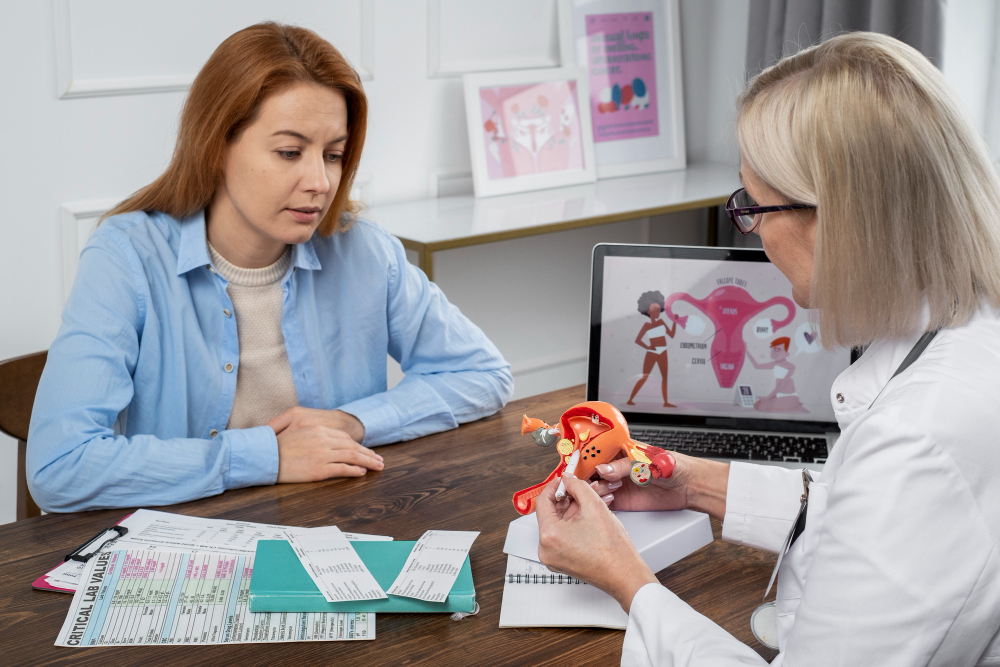
Doctors use several methods to diagnose ectopic pregnancy. First, they will ask about your symptoms and medical history. Then, they may do a physical exam. To confirm the diagnosis, doctors often use:
Sometimes, more tests are needed. Early diagnosis can help prevent serious problems. According to the CDC, quick action is key for your safety.
Treatment Options
Treatment for ectopic pregnancy depends on your health and how early it is found. Because the pregnancy cannot continue, doctors must remove it to protect you. Common treatment options include:
Your doctor will explain which treatment is best for you. After treatment, you may need follow-up visits to check your recovery.
Prevention and Lifestyle Tips
While you cannot always prevent ectopic pregnancy, some steps may lower your risk. For example, you can:
Healthy habits can support your overall well-being. Still, remember that not all cases can be prevented.
When to Seek Medical Help
If you have early signs of ectopic pregnancy, do not wait. Seek medical help right away if you notice:
These can be signs of a medical emergency. Quick treatment can save your life.
If you suspect an ectopic pregnancy, consult a healthcare specialist immediately for personalized care.