The HPV vaccine is a powerful tool for protecting your health. It helps prevent infections that can lead to serious diseases, including some cancers. Many people ask about HPV vaccine benefits and how it helps in preventing HPV-related cancers. In this blog, you will learn why the HPV vaccine matters, who should get it, and how it keeps you safe. Understanding the facts can help you make the best choices for your health and your family’s well-being.
What is HPV?
HPV stands for human papillomavirus. It is a common virus that spreads through close skin contact, often during sexual activity. There are many types of HPV. Some types cause warts, while others can lead to cancer. For example, HPV can cause cervical cancer, throat cancer, and other serious health problems. Most people who get HPV do not know they have it, because it often has no symptoms. However, the virus can still cause harm over time.
How Does the HPV Vaccine Work?
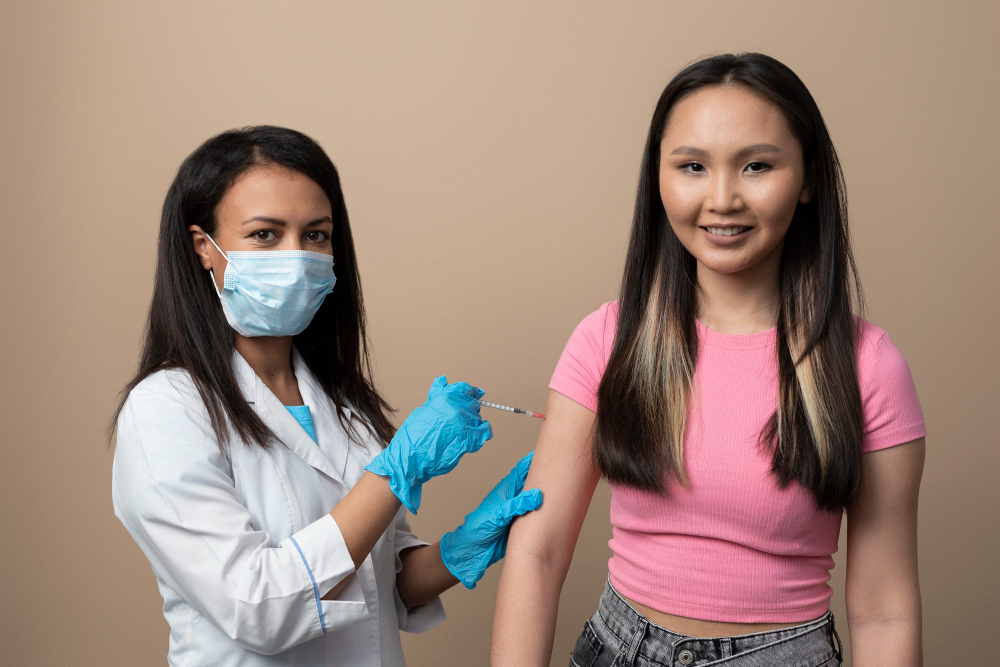
The HPV vaccine helps your body build protection against the virus. It uses a small, harmless part of the virus to train your immune system. As a result, your body learns to fight off HPV if you are exposed in the future. The vaccine does not contain live virus, so it cannot give you HPV. Instead, it helps prevent infection before it starts. For best results, the vaccine is given in a series of shots, following the HPV vaccination schedule recommended by health experts.
Why is the HPV Vaccine Important?
Getting the HPV vaccine is important for several reasons. First, it protects you from the most dangerous types of HPV. These types can cause cancers of the cervix, throat, anus, and more. Second, the vaccine also helps prevent genital warts. According to the CDC and WHO, the HPV vaccine can prevent up to 90% of HPV-related cancers. Because of this, many doctors call it the cervical cancer vaccine. Protecting yourself with the vaccine also helps protect others by reducing the spread of the virus.
Who Should Get the HPV Vaccine?
Health experts recommend the HPV vaccine for:
Although the vaccine works best before exposure to HPV, older teens and adults can still benefit. Talk to your healthcare provider about the right HPV vaccination schedule for you or your child.
Safety and Effectiveness of the HPV Vaccine
Many people wonder if the HPV vaccine is safe. Studies show that the vaccine is very safe and effective. Millions of people worldwide have received it. Side effects are usually mild, such as a sore arm or mild fever. Serious side effects are very rare. The CDC and WHO both confirm that the HPV vaccine is one of the safest vaccines available. It offers strong, long-lasting protection against HPV and related cancers.
Common Myths and Facts About the HPV Vaccine
How to Get Vaccinated: Steps and Guidance
Getting the HPV vaccine is simple. Here are the steps:
Many clinics, schools, and health centers offer the HPV vaccine. In some areas, you may get it for free or at low cost. Ask about options in your city or region.
Prevention Tips and Healthy Lifestyle Choices
Besides getting the HPV vaccine, you can take other steps to stay healthy:
However, remember that the HPV vaccine is the best way to prevent HPV-related cancers and diseases.
In summary, the HPV vaccine is a safe and effective way to protect yourself and your loved ones from serious diseases. For more information, consult your healthcare provider to learn more about the HPV vaccine and protect your health.