
ECG
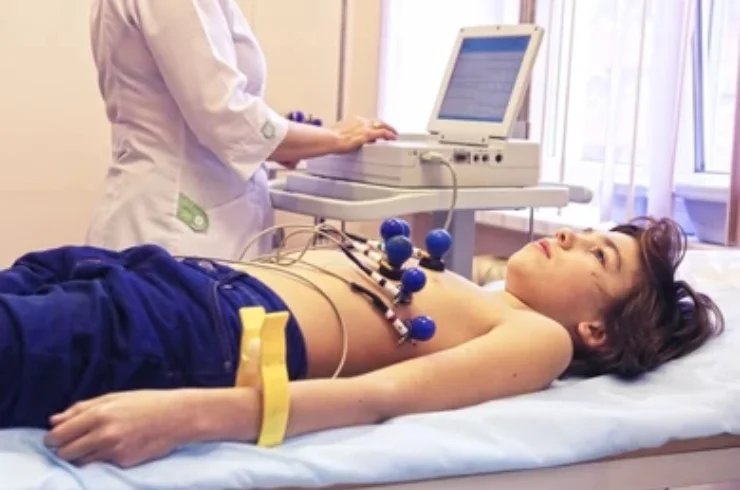
ECG, or Electrocardiography, is a medical test used to measure the electrical activity of the heart. It is a non-invasive procedure that records the heart’s electrical impulses, allowing healthcare providers to assess its rhythm, detect abnormalities, and diagnose various heart conditions.
During an ECG, small electrodes are attached to the skin on the chest, arms, and legs. These electrodes detect the electrical signals produced by the heart as it beats. The signals are then transmitted to a machine that produces a graphical representation, known as an electrocardiogram, which shows the heart’s electrical activity over time.
An ECG provides valuable information about the heart’s rhythm (whether it is beating too fast, too slow, or irregular), the size and position of the heart chambers, and whether there are signs.
damage or disease, such as a heart attack, arrhythmias, or ischemia (reduced blood flow). It can also help monitor the effectiveness of heart treatments, medications, and devices like pacemakers.
The test is quick, typically taking only a few minutes, and is painless. It is widely used in both emergency and routine medical settings, including hospitals, clinics, and during regular checkups, to evaluate heart health and guide treatment decisions.