Immunization Centre
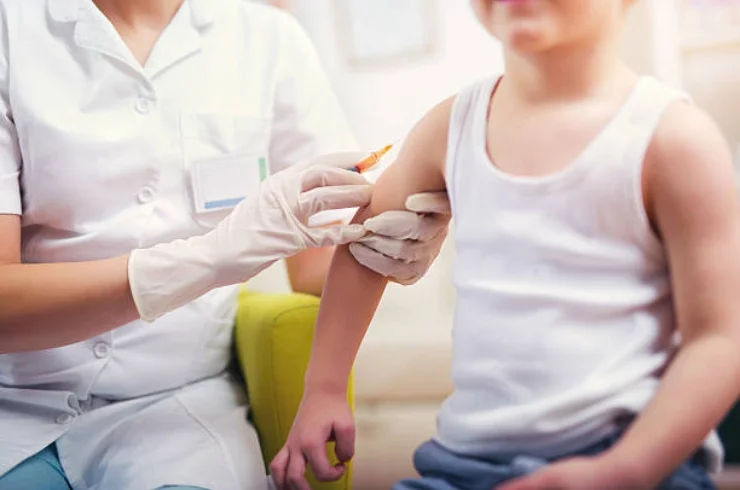
An Immunization Centre is a specialized healthcare facility or designated area within a healthcare setting where vaccines are administered to individuals of all ages to protect against various infectious diseases. The primary goal of an immunization center is to ensure that people receive the necessary vaccines according to recommended schedules to prevent the spread of infectious diseases.
Immunization centers play a vital role in promoting public health by:
Providing Routine Vaccinations: These centers offer vaccines as part of national or regional immunization programs. This includes vaccines for diseases such as measles, polio, diphtheria, tetanus, pertussis (whooping cough), hepatitis B, and others. These vaccines are usually given in a series, often beginning in infancy and continuing through adulthood.
Administering Travel Vaccines: Many immunization centers also provide vaccines for individuals traveling abroad. These vaccines protect against diseases prevalent in certain regions, such as yellow fever, typhoid, malaria, and Japanese encephalitis.
Offering Flu Vaccines: Seasonal influenza vaccines are often provided to reduce the spread of the flu, particularly to vulnerable populations such as the elderly, pregnant women, children, and individuals with compromised immune systems.
Educating the Public: Immunization centers often educate individuals and families about the importance of vaccinations and address any concerns or misconceptions regarding vaccines. This helps in increasing awareness and vaccination rates.
Monitoring and Preventing Disease Outbreaks: These centers are crucial in the early identification and containment of disease outbreaks by ensuring that the population is up-to-date with their vaccinations. They also provide immunizations during special vaccination drives or campaigns in response to outbreaks.
Serving Vulnerable Populations: Immunization centers are especially beneficial for infants, children, pregnant women, elderly individuals, and those with chronic medical conditions who may require specific vaccines to protect against serious diseases.
Immunization centers are usually staffed by trained healthcare professionals, including doctors, nurses, and public health workers, who administer vaccines safely and manage any potential side effects or adverse reactions. They are an essential component of public health infrastructure and are instrumental in achieving high vaccination coverage, which contributes to herd immunity and the reduction of vaccine-preventable diseases.